

Hemorrhoids (HEM-uh-roids), also called piles, are swollen veins in the lower part of the rectum and anus. They are similar to enlarged varicose veins that form in the legs. Hemorrhoids can develop inside the rectum (internal hemorrhoids) or under the skin around the anus (external hemorrhoids).
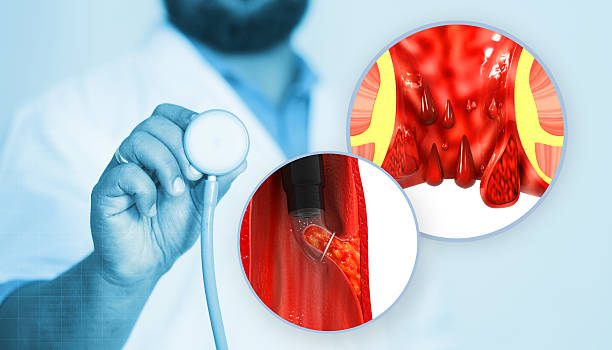
Can vary depending upon the type of hemorrhoid and may include:
The veins around the anus tend to stretch under pressure and may bulge or swell. Hemorrhoids can develop from increased pressure in the lower rectum due to:
Low-fiber diet
Straining during bowel movements
Anal intercourse
Regularly lifting heavy items
Sitting for long periods of time on the toilet
Chronic diarrhea or constipation
Obesity
Diagnosis of hemorrhoids typically involves:
Visual inspection of the anus and surrounding area.
Testing of the abdomen and pelvis to assess for arterial flow to the anus and rectum
A gloved, lubricated finger is used to feel abnormalities.
The best way to prevent hemorrhoids is to keep your stools soft so they pass easily. To prevent hemorrhoids and reduce symptoms of hemorrhoids, follow these tips:
Eat more fruit, vegetables and whole grains. Doing so softens the stool and increases its bulk. This will help you avoid the strain that can cause hemorrhoids. Add fiber to your diet slowly to avoid problems with gas.
Drink 6 to 8 glasses of water and other liquids each day to help keep stools soft. Avoiding alcohol also may help.
Straining and holding your breath when trying to pass stool creates greater pressure in the veins in the lower rectum.
Sitting too long, especially on the toilet, can increase the pressure on the veins in the anus.
Most people don’t get enough fiber in their diets. Studies have shown that nonprescription fiber supplements, such as psyllium (Metamucil, Konsyl, others) or methylcellulose (Citrucel), can lessen symptoms and bleeding from hemorrhoids.
If you use fiber supplements, be sure to drink at least eight glasses of water or other fluids every day. Otherwise, the supplements can cause constipation or make it worse.
Stay active to help prevent constipation and reduce pressure on veins. Exercise also can help you lose excess weight that might be causing your hemorrhoids or making them worse.
We understand the impact of enlarged prostate and frequent urinations can have on your quality of life. Our team of compassionate healthcare professionals is here to offer personalized care and support throughout your journey. We specialize in advanced diagnostic techniques and a range of treatment options tailored to meet your individual needs.
contact Us
© 2025 created by Nexus Web Creation